Mantenha-se seguro no subsolo

Os diamantes são uma das características mais valiosas do Minecraft, permitindo aos jogadores criar ferramentas poderosas, armaduras e mesas de encantamento. Quer seja um novato no jogo ou esteja a regressar após um período afastado, saber onde e como encontrar diamantes pode poupar-lhe horas de mineração. Neste guia, aprenderá as melhores estratégias para localizar diamantes de forma rápida e segura.

Para que servem os diamantes?

Os diamantes são essenciais para a criação de equipamentos de alta qualidade que duram muito mais tempo do que as ferramentas de ferro ou pedra. Com os diamantes, pode criar espadas, picaretas, machados, pás, enxadas, armaduras, jukeboxes e mesas de encantamento. Os equipamentos de diamante também são necessários para obter equipamentos de Netherita, que são atualmente os equipamentos mais fortes disponíveis no Minecraft.

Melhor nível para encontrar diamantes

O melhor local para minerar diamantes é nas profundezas da terra. Nas versões modernas do Minecraft, os diamantes são gerados com mais frequência por volta do nível Y -59. Prima a tecla F3 na Java Edition (ou ative as coordenadas na Bedrock Edition) para verificar o seu nível Y atual. Evite minerar no fundo do mundo, pois os lagos de lava são muito mais comuns lá.

Melhores Métodos de Mineração

Uma das formas mais eficazes de recolher diamantes é a mineração em faixa. Cave um túnel longo e direito no nível Y -59 e, em seguida, crie túneis laterais a cada poucos blocos. Este método expõe um grande número de blocos, minimizando a escavação desnecessária.

Outra excelente estratégia é a exploração de grutas. As grandes grutas geralmente expõem minério de diamante naturalmente, permitindo-lhe recolher recursos valiosos sem ter de escavar em todos os blocos. Leve sempre muitas tochas para iluminar as zonas escuras e evitar o surgimento de criaturas hostis.

Ferramentas Essenciais

Antes de procurar diamantes, certifique-se de que tem:

Uma picareta de ferro ou melhor

Muitas tochas

Alimentação para restaurar a saúde

Balde de água para proteção contra lava

Escudo para se defender das criaturas

Picaretas e blocos extra para construir pontes

Lembre-se que o minério de diamante só pode ser minerado com uma picareta de ferro ou mais forte. Picaretas de pedra e madeira destroem o minério sem gerar diamantes.

https://substance3d.adobe.com/community-assets/profile/org.adobe.user:542B22F06916A7DD0A495C33@AdobeID

Aumente a sua coleção de diamantes

Assim que conseguires uma mesa de encantamentos, tenta encantar a tua picareta com o encantamento Fortuna III. Fortuna aumenta a quantidade de diamantes obtidos de cada bloco de minério, tornando as suas viagens de mineração muito mais recompensadoras. Se ainda não tiveres Fortuna, considera usar o Toque Suave para recolher os blocos de minério e minerá-los mais tarde, depois de obteres uma picareta com Fortuna.

Mantenha-se seguro no subsolo

Minar a grandes profundidades envolve perigos como lava, zombies, esqueletos, creepers e outras criaturas hostis. Leve sempre consigo um balde de água para apagar a lava e proteger-se de quedas acidentais. Mantenha o seu inventário organizado e regresse à sua base regularmente para guardar itens valiosos, em vez de arriscar tudo numa única viagem.

Considerações finais

Encontrar diamantes no Minecraft torna-se muito mais fácil quando se compreende onde são gerados e quais os métodos de mineração que funcionam melhor. Ao minerar em torno do nível Y -59, com o equipamento certo e utilizando técnicas como a mineração em faixa e os encantamentos de Fortuna, irá construir uma impressionante coleção de diamantes em pouco tempo. Pratique estas estratégias de forma consistente e estará no bom caminho para criar equipamentos poderosos e enfrentar as maiores aventuras do Minecraft.

Example Site Visit the blog click here read more learn more visit site this article the guide source check it out Example Site Visit the blog click here read more learn more visit site this article the guide source check it out Example Site Visit the blog click here read more learn more visit site this article the guide source check it out Example Site Visit the blog click here read more learn more visit site this article the guide source check it out Example Site Visit the blog click here read more learn more visit site this article the guide source check it out Example Site Visit the blog click here read more learn more visit site this article the guide source check it out Example Site Visit the blog click here read more learn more visit site this article the guide source check it out Example Site Visit the blog click here read more learn more visit site this article the guide source check it out Example Site Visit the blog click here read more learn more visit site this article the guide source check it out Example Site Visit the blog click here read more learn more visit site this article the guide source check it out Example Site Visit the blog click here read more learn more visit site this article the guide source check it out Example Site Visit the blog click here read more learn more visit site this article the guide source check it out Example Site Visit the blog click here read more learn more visit site this article the guide source check it out Example Site Visit the blog click here read more learn more visit site this article the guide source check it out

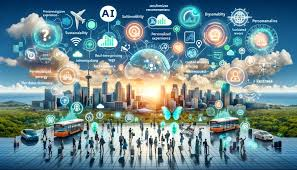

How Cloud Gaming Is Changing the Hardware Landscape

Gaming has transcended its origins as a mere pastime to become a global cultural phenomenon, influencing not only entertainment but also technology, social interaction, and even education. This article delves into the multifaceted world of gaming, exploring its evolution, impact, and significance in contemporary society.

Gaming, in its simplest form, https://mycapeverdenews.com/ involves interactive experiences where players engage with virtual environments, characters, and narratives. From the early days of arcade classics like Pac-Man and Space Invaders to the modern era of expansive open-world adventures like The Elder Scrolls V: Skyrim and The Legend of Zelda: Breath of the Wild, gaming has evolved into a diverse and dynamic medium that caters to a wide range of tastes and preferences.

Technological advancements have played a pivotal role in shaping the trajectory of gaming. The transition from 2D to 3D graphics marked a significant milestone, enhancing immersion and realism in gaming experiences. The introduction of powerful gaming consoles like the PlayStation, Xbox, and Nintendo Switch, coupled with advancements in PC gaming, has further expanded the possibilities of what can be achieved in terms of graphics, gameplay, and storytelling.

The advent of online connectivity has revolutionized gaming, giving rise to https://dubberman.com/ massive multiplayer online games (MMOs) like World of Warcraft and Fortnite, where millions of players from around the world can connect and interact in shared virtual worlds. Social gaming platforms like Twitch and Discord have transformed gaming into a communal experience, where players can livestream their gameplay, engage with fans, and connect with fellow gamers in real-time.

Moreover, gaming has become a significant https://virgilpeck.com/ cultural force, influencing various aspects of popular culture, including music, fashion, and even language. Video game soundtracks have become iconic, with composers like Nobuo Uematsu (Final Fantasy series) and Mick Gordon (Doom series) creating memorable scores that enhance the gaming experience. Fashion brands have also embraced gaming culture, collaborating with game developers to create clothing lines inspired by popular games and characters.

In addition to its entertainment value, gaming has also demonstrated its potential as a powerful educational tool. Educational games designed to teach subjects like mathematics, science, and history in an engaging and interactive manner are increasingly being used in classrooms around the world. Games like Minecraft have been embraced by educators for their ability to foster creativity, collaboration, and problem-solving skills among students.

However, gaming is not without its controversies and challenges. Concerns about https://salemcountywatchdog.com/ video game addiction, excessive violence, and negative social behaviors have sparked debates about the potential impact of gaming on mental health and well-being, particularly among younger players. Issues surrounding diversity and representation in gaming, including the portrayal of gender, race, and sexuality, have also been subjects of scrutiny and debate within the gaming community.

In conclusion, gaming has emerged as a cultural force to be reckoned with, shaping entertainment, technology, and society in profound ways. From its humble beginnings to its current status as https://tagyourmusic.com/ a dominant form of entertainment, gaming continues to evolve and expand, pushing the boundaries of creativity, innovation, and interactivity. As technology continues to advance and new gaming experiences emerge, the future of gaming promises to be even more exciting and transformative.

The Future of Everyday Technology

Technology has transformed the way we live, work, and connect, reshaping daily life in ways once imagined only in science fiction. From the moment we wake to the time we sleep, digital devices and intelligent systems guide, assist, and entertain us, creating a world where convenience and innovation intertwine. The pace of technological change continues to accelerate, promising advancements that are both exciting and transformative.

Smart devices have become central to modern living. Homes equipped with interconnected systems allow users to control lighting, temperature, and security with a simple voice command or a tap on a screen. Wearable technology tracks health and fitness, offering real-time insights into heart rate, sleep patterns, and activity levels. These innovations not only provide convenience but also empower individuals to make informed decisions about their lifestyle and well-being.

Communication has also evolved dramatically. Social media platforms, instant messaging, and video calls have bridged distances, allowing people to maintain relationships across continents. Information flows faster than ever, enabling individuals to access news, research, and entertainment almost instantly. Businesses and governments leverage technology to reach wider audiences, streamline operations, and analyze data for better decision-making, demonstrating the profound societal impact of digital innovation.

Artificial intelligence and machine learning are at the forefront of technological advancement. AI-driven systems assist in everyday tasks, from recommending content and optimizing travel routes to managing finances and automating customer service. In industries such as healthcare, AI supports diagnostics, predicts disease outbreaks, and personalizes treatment plans. The integration of intelligent systems promises efficiency and personalization but also raises questions about ethics, privacy, and the evolving role of humans in a technologically advanced society.

Transportation is another area experiencing rapid transformation. Electric vehicles, autonomous cars, and ride-sharing platforms are reshaping mobility, reducing carbon emissions, and changing urban landscapes. Innovations in public transport, including smart traffic management and high-speed rail networks, improve connectivity and sustainability. Technology continues to redefine how people move, offering solutions to environmental and logistical challenges.

Education and work are increasingly intertwined with technology. Online learning platforms make knowledge accessible to millions worldwide, breaking geographical and economic barriers. Remote work tools allow collaboration across time zones, fostering flexibility and efficiency. Virtual and augmented reality technologies create immersive experiences, from interactive training programs to simulated environments, transforming the way people learn and interact with information.

Despite its many benefits, technology also presents challenges. Cybersecurity threats, digital addiction, and the widening gap between those with and without access to modern tools highlight the need for responsible innovation. Ethical considerations, privacy protection, and sustainable practices are essential as society navigates the complexities of a technology-driven world.

The future of technology holds limitless potential. Emerging fields such as quantum computing, biotechnology, and space exploration hint at a world of possibilities that extend beyond current imagination. As technology continues to evolve, it reshapes human experience, offering new ways to solve problems, connect with others, and explore the universe. Embracing innovation thoughtfully ensures that the benefits of technology enhance life while preserving the values and connections that make us human.

Echoes of Horizons Far Away

Travel is more than moving from one place to another; it is a transformation of perception. Every journey, whether near or far, rewrites the way we see the world and ourselves. The act of leaving home carries a quiet thrill, a sense of anticipation that grows with each step toward an unfamiliar street, mountain trail, or coastline.

In Istanbul, the confluence of East and West comes alive in architecture, cuisine, and daily rhythm. Mosques with domed roofs stand beside bustling markets where the aroma of freshly baked bread mingles with the scent of spices. Each corner reveals layers of history, inviting travelers to walk along streets that have witnessed centuries of human story. Thousands of miles away, the sandy expanse of Sahara Desert presents a different kind of wonder. Endless dunes ripple under the sun, and nights transform the sky into a vault of stars so vivid it feels as though the universe has drawn itself closer. In both places, whether urban or remote, the sense of scale and perspective humbles and inspires simultaneously.

Adventure is not limited to sights; it is woven into experiences. Trekking through the dense rainforests of Amazon Basin brings an intimacy with nature that is impossible to replicate in cities. The calls of exotic birds, the rustle of unseen creatures, and the scent of earth after rain create an immersion that lingers long after the journey ends. Similarly, gliding over the fjords of Norwegian Fjords, travelers feel a harmony between water and mountain, where every reflection and ripple feels like a natural symphony.

The true essence of travel, however, often resides in unexpected encounters. A shared meal with a family in a remote village, a local guide’s stories of survival and tradition, or a fleeting conversation in a crowded train can transform the mundane into the memorable. It is in these moments that humanity’s common threads emerge, dissolving differences and forging connections that feel timeless.

Even moments of solitude have their place. Watching the sun set over Santorini or listening to waves lap against the shore of Maui allows reflection, a pause from life’s usual pace. Travel provides the rare gift of stillness within motion, offering time to ponder and to dream.

Challenges encountered along the way—delays, miscommunications, sudden weather changes—become part of the narrative. They teach patience, resilience, and humility. Every obstacle overcome strengthens the traveler’s sense of independence, turning uncertainty into adventure. By embracing the unknown, travel cultivates confidence and curiosity, revealing that the world is not merely to be seen but to be felt.

Returning home, the world feels simultaneously smaller and more expansive. Travel expands horizons not only geographically but emotionally and intellectually. Each journey leaves imprints, layers of experience that subtly reshape perspectives. In following distant roads and embracing unfamiliar skies, travelers discover a simple truth: the world is vast, yet each journey makes it intimately connected, and each adventure leaves an indelible mark on the soul.

Chasing Horizons Beyond Familiar Maps

Travel begins long before a suitcase is zipped or a ticket is scanned. It starts as a quiet restlessness, a curiosity about what lies beyond the curve of the horizon. In a world mapped and measured in extraordinary detail, the true magic of travel is not in discovering new land, but in discovering new ways of seeing. Each journey reshapes the traveler, carving subtle changes into perspective, patience, and understanding.

Stepping into a city like Kyoto feels like walking through layered time. Ancient wooden houses lean gently toward narrow lanes, while distant temple bells echo through modern neighborhoods. The traveler learns quickly that movement is not only physical but cultural. Removing shoes before entering a home, bowing slightly in greeting, or savoring seasonal dishes becomes part of a quiet education. The unfamiliar transforms into something intimate through simple acts of respect and attention.

On another continent, the pulse of Marrakech tells a different story. Markets hum with negotiation, color spills from woven textiles, and the scent of spices lingers in warm evening air. Travel here is immersive and immediate. It asks the visitor to participate rather than observe. Bargaining in a crowded souk or listening to storytellers in a bustling square demands presence. The lesson is not just about place, but about engagement. To travel well is to listen more than speak.

Nature, too, becomes a profound teacher. Standing before the vast silence of Grand Canyon, one confronts scale in its purest form. The layered rock, carved over millennia, reminds travelers of time far beyond human schedules. In such moments, daily concerns seem smaller, almost fragile. Travel strips away illusion and offers perspective. It reveals both insignificance and belonging within something much larger.

Yet travel is not always comfortable. Delayed trains, language barriers, and unfamiliar customs can unsettle even seasoned explorers. But discomfort often signals growth. Navigating a missed connection in Berlin or deciphering a menu without translation forces adaptability. These small challenges cultivate resilience. They teach flexibility and humility, qualities that remain long after the journey ends.

Modern travel exists in contrast to the slower explorations of earlier centuries. When figures like Marco Polo ventured across continents, their journeys spanned years and reshaped entire worldviews. Today, airplanes compress vast distances into hours, yet the internal voyage still unfolds at its own pace. No technology can accelerate understanding or empathy. Those require time, openness, and reflection.

Ultimately, travel is less about collecting destinations and more about collecting moments of clarity. It is found in shared laughter with strangers, in quiet sunrise views from unfamiliar windows, and in the realization that differences between cultures are often smaller than imagined. Returning home, the traveler carries invisible souvenirs: broader compassion, deeper curiosity, and a renewed appreciation for both the distant and the familiar.

To travel is to accept an invitation to transformation. Roads, skies, and seas connect the world physically, but it is the willingness to step beyond comfort that connects it meaningfully. Every journey redraws the map within, proving that the most significant distances crossed are often the ones inside ourselves.

Master Personal Finance for Financial Freedom

Personal finance is the art and science of managing money to achieve financial freedom, security, and long-term wealth. It covers budgeting, saving, investing, debt management, retirement planning, insurance, tax optimization, and wealth preservation. Whether you’re starting your first job or planning for retirement, understanding personal finance empowers informed decisions and long-term prosperity.


1. Budgeting: The Foundation of Wealth
Budgeting ensures your money is used efficiently. Track income and categorize expenses: essentials (housing, food, utilities), discretionary spending (entertainment, dining), and savings/investments. Use digital apps, spreadsheets, or the envelope system to monitor spending. Review your budget monthly to adapt to changing income, lifestyle, or financial goals. Prioritize needs and avoid unnecessary expenditures to maximize savings potential.


2. Emergency Fund and Short-Term Savings
An emergency fund covers unexpected costs such as medical emergencies, car repairs, or job loss. Aim for three to six months of living expenses. Keep the funds liquid in a high-yield savings account or money market account. Automate monthly deposits to ensure consistency. Short-term goals like vacations or large purchases should be budgeted separately to avoid dipping into emergency funds.


3. Debt Management and Smart Borrowing
Debt can be an obstacle or a tool for wealth creation. Focus on:

  • High-interest debt first: Credit cards and personal loans can accumulate rapidly.
  • Debt repayment strategies: Snowball method (smallest debt first) or avalanche method (highest interest first).
  • Avoid unnecessary loans and always make timely payments. Responsible debt management maintains a strong credit score, reduces stress, and frees up funds for investment.

4. Credit Score Optimization
Your credit score impacts borrowing costs and financial opportunities. Maintain a high credit score by:

  • Paying bills on time
  • Keeping credit utilization below 30%
  • Avoiding unnecessary credit inquiries
  • Monitoring credit reports regularly

A strong score can save thousands in interest and improve approval chances for mortgages, loans, and premium financial products.


5. Investing: Growing Wealth Over Time
Investing allows money to grow beyond inflation. Key options include:

  • Stocks: Equity ownership with potential high returns.
  • Bonds: Fixed-income with lower risk.
  • Mutual Funds & ETFs: Diversified portfolios managed professionally.
  • Real Estate: Long-term property appreciation and rental income.

Diversification reduces risk. Start early to leverage compounding, and align investments with risk tolerance. Tax-advantaged retirement accounts (401(k), IRA, Roth IRA) accelerate growth and reduce liabilities.


6. Retirement Planning and Early Independence
Retirement planning ensures financial freedom later in life. Consider:

  • Future living costs and inflation
  • Healthcare expenses
  • Retirement account contributions and employer matches
  • Diversified investment portfolios

The FIRE (Financial Independence, Retire Early) strategy encourages aggressive saving, investing, and passive income creation to achieve early retirement.

Digital Marketing Trends Shaping 2026 Growth

Digital marketing has become the backbone of modern business strategy. As technology evolves and consumer behavior shifts, brands must adapt quickly to remain competitive. In 2026, digital marketing is no longer just about social media posts or email campaigns; it is a data driven ecosystem powered by automation, personalization, and intelligent platforms.

One of the most significant drivers of change is artificial intelligence. Tools developed by companies like Google and Meta now use machine learning to optimize advertising campaigns in real time. These systems analyze user behavior, predict interests, and deliver highly targeted ads. Businesses that leverage AI based analytics can better understand customer journeys and improve conversion rates while reducing marketing costs.

Search engine optimization remains a critical pillar of digital marketing. However, modern SEO focuses less on keyword stuffing and more on user intent and high quality content. Search engines such as Google prioritize websites that provide valuable information, fast loading speeds, and mobile friendly design. Voice search and visual search are also becoming more prominent, requiring marketers to adapt their content strategies accordingly.

Social media marketing continues to dominate digital spaces. Platforms like Instagram, TikTok, and LinkedIn allow brands to connect directly with audiences in creative ways. Short form video content, live streaming, and interactive stories have proven highly effective in capturing attention. Influencer marketing also plays a major role, as consumers often trust recommendations from relatable creators more than traditional advertisements.

Content marketing is another essential component. High quality blogs, videos, podcasts, and infographics help establish authority and build long term trust. Many brands use platforms such as YouTube to share educational and entertaining content that supports their overall marketing funnel. Storytelling has become especially important, as audiences seek authenticity and emotional connection rather than purely promotional messages.

Email marketing remains one of the highest return on investment channels. Modern email strategies rely heavily on segmentation and personalization. Automated workflows send tailored messages based on user behavior, such as abandoned cart reminders or product recommendations. When combined with customer relationship management systems, email campaigns can significantly increase retention and lifetime value.

Data privacy and ethical marketing are growing concerns. Regulations and consumer awareness demand transparency in how data is collected and used. Marketers must balance personalization with respect for privacy to maintain trust. Clear consent processes and secure data handling are no longer optional but essential elements of a successful digital strategy.

Looking ahead, the integration of augmented reality, virtual reality, and immersive shopping experiences will further transform digital marketing. Brands that embrace innovation while maintaining customer centric values will thrive. Ultimately, digital marketing success in 2026 depends on adaptability, strategic use of technology, and a deep understanding of evolving consumer expectations.