Technology has transformed the way we live, work, and connect, reshaping daily life in ways once imagined only in science fiction. From the moment we wake to the time we sleep, digital devices and intelligent systems guide, assist, and entertain us, creating a world where convenience and innovation intertwine. The pace of technological change continues to accelerate, promising advancements that are both exciting and transformative.
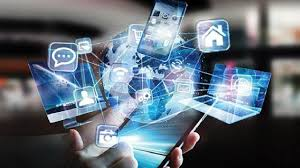
Smart devices have become central to modern living. Homes equipped with interconnected systems allow users to control lighting, temperature, and security with a simple voice command or a tap on a screen. Wearable technology tracks health and fitness, offering real-time insights into heart rate, sleep patterns, and activity levels. These innovations not only provide convenience but also empower individuals to make informed decisions about their lifestyle and well-being.
Communication has also evolved dramatically. Social media platforms, instant messaging, and video calls have bridged distances, allowing people to maintain relationships across continents. Information flows faster than ever, enabling individuals to access news, research, and entertainment almost instantly. Businesses and governments leverage technology to reach wider audiences, streamline operations, and analyze data for better decision-making, demonstrating the profound societal impact of digital innovation.
Artificial intelligence and machine learning are at the forefront of technological advancement. AI-driven systems assist in everyday tasks, from recommending content and optimizing travel routes to managing finances and automating customer service. In industries such as healthcare, AI supports diagnostics, predicts disease outbreaks, and personalizes treatment plans. The integration of intelligent systems promises efficiency and personalization but also raises questions about ethics, privacy, and the evolving role of humans in a technologically advanced society.
Transportation is another area experiencing rapid transformation. Electric vehicles, autonomous cars, and ride-sharing platforms are reshaping mobility, reducing carbon emissions, and changing urban landscapes. Innovations in public transport, including smart traffic management and high-speed rail networks, improve connectivity and sustainability. Technology continues to redefine how people move, offering solutions to environmental and logistical challenges.
Education and work are increasingly intertwined with technology. Online learning platforms make knowledge accessible to millions worldwide, breaking geographical and economic barriers. Remote work tools allow collaboration across time zones, fostering flexibility and efficiency. Virtual and augmented reality technologies create immersive experiences, from interactive training programs to simulated environments, transforming the way people learn and interact with information.
Despite its many benefits, technology also presents challenges. Cybersecurity threats, digital addiction, and the widening gap between those with and without access to modern tools highlight the need for responsible innovation. Ethical considerations, privacy protection, and sustainable practices are essential as society navigates the complexities of a technology-driven world.
The future of technology holds limitless potential. Emerging fields such as quantum computing, biotechnology, and space exploration hint at a world of possibilities that extend beyond current imagination. As technology continues to evolve, it reshapes human experience, offering new ways to solve problems, connect with others, and explore the universe. Embracing innovation thoughtfully ensures that the benefits of technology enhance life while preserving the values and connections that make us human.